Politics
2026 New York State Budget Tax Cap Sets Syracuse Levy Limits Against Buffalo and Rochester Benchmarks
Syracuse property owners face a state-mandated cap on annual tax increases that aligns the city's levy growth with the same formula applied in Buffalo and Rochester.
How we reported this
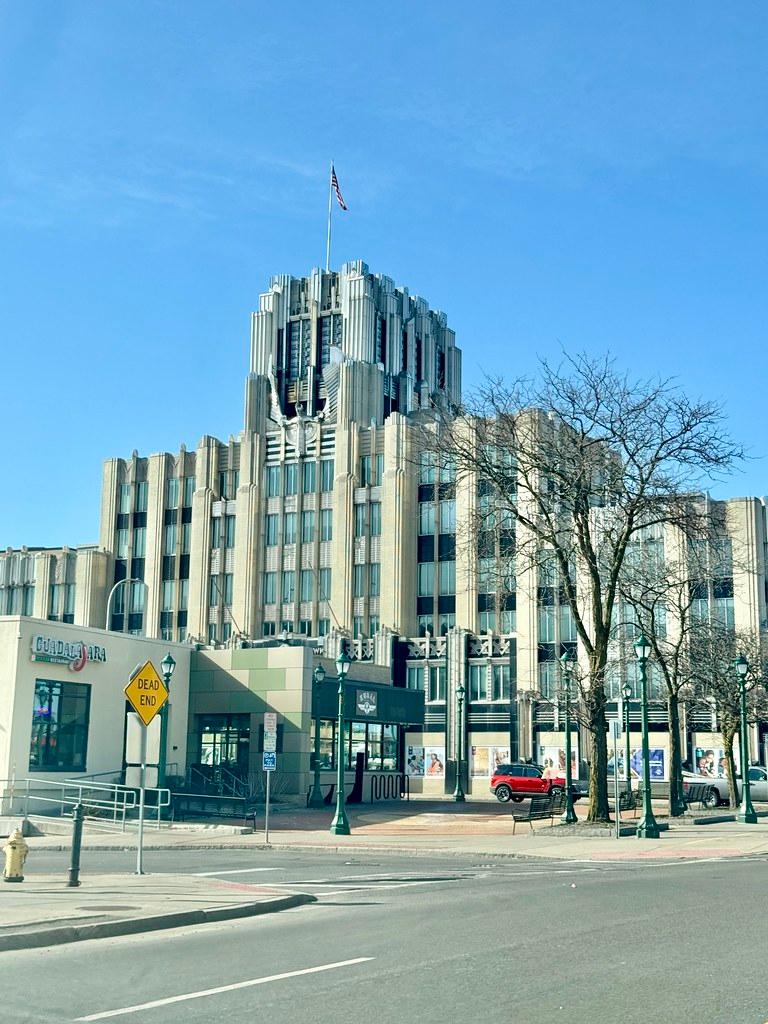
The 2026 New York State budget extends the property tax cap formula for all municipalities, limiting Syracuse's annual levy increase to the lesser of 2 percent or the rate of inflation. This rule applies directly to the city's general fund and school district budgets starting with the fiscal year that begins July 1, 2026. Onondaga County residents who pay city and school taxes will see the cap reflected in their July 2027 bills.
State lawmakers passed the extension in the final budget bill signed in April. The measure continues a policy first enacted in 2012 and renewed multiple times since. Syracuse officials prepare annual budgets under this constraint while also receiving state aid that offsets some local costs for roads, policing and public health programs.
Effects on City Services and Household Costs
City departments in Syracuse must adjust spending plans to stay inside the cap. Snow removal contracts, park maintenance schedules and library hours receive funding from the capped levy. Residents in the 13202 and 13203 zip codes, for example, rely on these services during winter months when plowing routes cover more than 400 lane miles.
Local advocates note that the cap calculation uses each municipality's own tax base growth. Syracuse's base grew modestly last year because of limited new commercial construction downtown. In contrast, Rochester recorded slightly higher base growth from medical campus expansions, allowing a marginally larger levy increase under the same state formula.
Allocation Figures and Peer Comparisons
The state budget documents show Syracuse receives $142 million in unrestricted aid this year, an amount calculated partly on the city's 2020 census population of 148,620. Buffalo, with a 2020 population of 278,349, receives $268 million under the same aid formula. Rochester's allocation stands at $189 million for its 211,328 residents. These totals help each city offset the levy cap when setting final tax rates.
Policy analysts say the per-resident aid difference means Syracuse must rely more heavily on its capped property tax than Buffalo does. City council members will adopt the final 2026-27 tax rate ordinance in August after public hearings. The adopted rate will determine the exact dollar increase on individual tax bills mailed next spring.